Damascus Knife Blade Etching Instructions
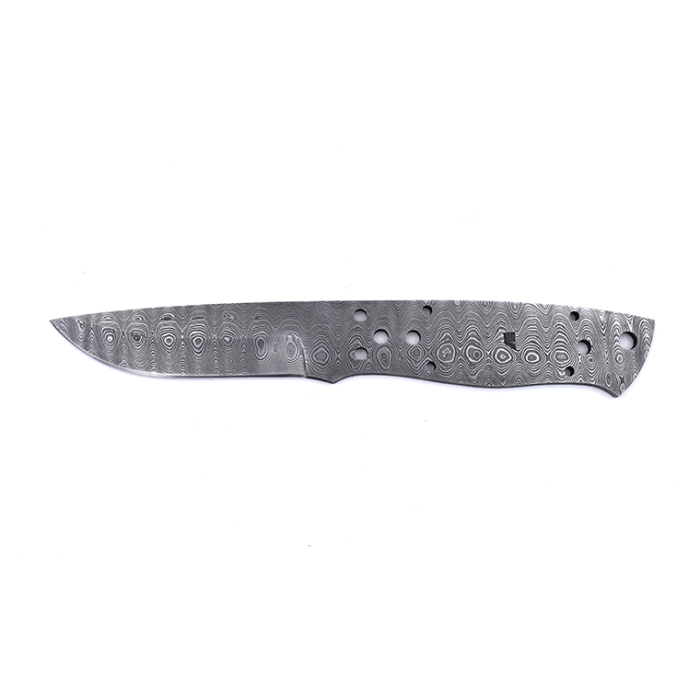
Etching Damascus is a fairly straight forward process that can enhance the
appearance of a blade or help you recover from a mistake.
I use Radio Shack PCB board etching solution ($11.49 for 16 oz.) as my
etchant medium. 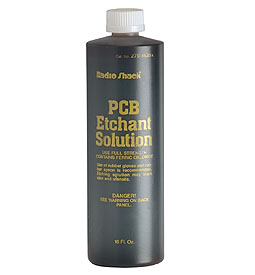
Etching the blade is a matter of submersing the blade in the etchant for 15
- 20 minutes and then washing it in hot water and detergent (You can
also use baking soda or ammonia to neutralize the etching solution).
Washing the blade is the messy part. The etching process releases
carbon from the steel and it turns your hands black (as well as your sink,
much to my wife's dismay). But it does wash off with some scrubbing.
Oil the blade after washing.
If you don't like the results, you can just throw it back in the etchant
solution for another round of soaking and washing.
I have sanded a blade down to the point where there isn't a visable pattern
and brought it back like new with etching. Etching is also handy
for repairing errent sanding marks and for bringing the pattern back
on the spine and edges. When doing the final fit on scales I use a
small drum sander to bring the scales down to the blade edges. This
has a tendency to remove the pattern from the edges. I selectively
apply etchant to the edges with a paper towel several times over a period of
15 minutes and then wash it. You would never know that you had sanded
the edges smooth.. You can also selectively apply etchant to errant
sanding marks with the same effect.
I use a 1 liter soda bottle with the side cut out as my etchant "tank".
The 1 liter size allows you to etch large blades and the screw top
provides a convenient way to pour the etchant back in the Radio Shack bottle
for safe keeping. Do not use a metal container as your tank!
The PCB board etching solution is a relatively benign substance.
However, follow appropriate safety procedures to protect your eyes
and skin!
